
Make Wine From Grapes
How to make wine from scratch: a proper grape wine, from fruit to bottle.
Choosing Your Grapes
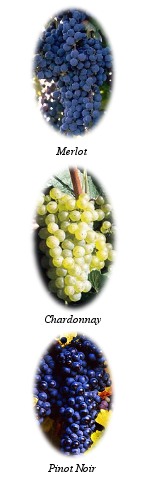
First thing we have to do is find the right grapes for the wine. Most people will be limited to grapes they have been given, have growing, or have bought. You can nearly always make some kind of wine from any grape, but good grapes make the best wine. If you are about to plant a vine to grow grapes, it is really worth looking at the available varieties to find one that will suit your conditions.
If you have control over when the grapes are picked, aim for a dry day when the grapes are ripe. Never underestimate the power of a few more good days on the vine to ripen your grapes. If you want to measure the sugar content — and hence the ripeness — of the grapes, you can use:
- a hydrometer
- a refractometer
The second is a rather expensive piece of kit but only requires a drop of juice rather than a sample jar full. Remember that if you are testing the average ripeness of your crop, you must randomly select grapes from different parts of the vine for a representative picture.
Crushing the Grapes
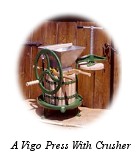
Once you have the grapes you plan to use, you will need to get the juice out of them. This is harder than it sounds. The first step in juice extraction is to crush the grapes or break the skin. For small crops this can be done by hand or with an electric juicer (which also skips the pressing step). For somewhat larger crops you can use a large bucket and tread with your feet, or try a Vigo Pulpmaster. For large crops, a proper grape mill becomes essential.
Pressing the Juice
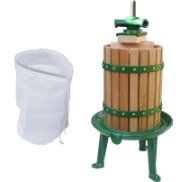
Once the skins are broken you can press the juice out of them. If you are making a red wine, you may want to ferment on the must — this aids colour and tannin extraction. To do this, you only press the grape pulp after one to three days of fermentation.
Again, depending on how many grapes you have, you can place the grape pulp in a nylon straining bag and wring the juice into a bucket (don't put too many grapes in the bag at one time). For larger amounts you can use a purpose-built press.
Protecting the Juice
Now you have your juice, you must protect it. Firstly — and hopefully obviously — from fruit flies and any other insects that will ruin juice and wine very quickly. The second threat is from oxygen and spoilage organisms.
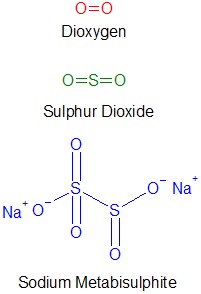
Oxygen (O2) is a gas that makes up about 20% of the air around us. Among many other things, it oxidises wine and fruit juice, leading to the formation of acetaldehydes and acetic acid (vinegar). This must be avoided at all costs.
Sulphur dioxide prevents oxygen from affecting the wine. It also kills wild yeasts and other bacteria that may be present in the juice. The correct dose is about 120 mg per litre, or 1 g of sodium metabisulphite per gallon. This can be weighed out using an accurate balance, or you can use two crushed Campden tablets. (One Campden tablet contains 0.5 g of sodium metabisulphite.)
Adding Yeast
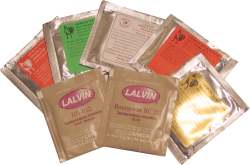
Now we need to add a good wine yeast to the must. There is a great range of yeasts available. The most easily obtained and stored are dried yeasts — Gervin and Lalvin are both good makes, and an appropriate yeast can normally be found in their ranges.
Finishing and Bottling
Once the wine has been racked off the sediment into a clean container, it should be stabilised. Finings can then be added to speed clearing. Once the wine is clear, it can be bottled.
Much more information on making wine from grapes can be found in Growing Vines to Make Wines by Nick Poulter, which is an excellent guide to both growing grapes and making wine from them.