
Make Beer From Kits
Choose Your Kit
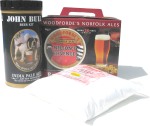
First of all, choose the beer kit that you want to make, whether it be a bitter, stout, lager, or something special like a Belgian beer.
Sterilise Your Equipment
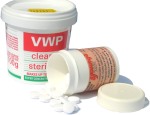
After choosing your beer kit, you need to sterilise all the equipment that you intend to use. First make sure everything is clean, and then use a steriliser like VWP or sodium metabisulphite (campden tablets). I find that VWP works the best.
Simply fill your bucket with water and dissolve the VWP powder or campden tablets in it. Add your spoon, which you will also need, and leave for about five minutes. Then rinse everything with clean cold water twice.
Mix the Ingredients
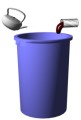
Use a tin opener to open the tin (or tins) of malt and hop extract in your kit. Pour the contents into your fermentation bin. Use about six pints of hot water from a kettle or saucepan to rinse the tins out, making sure all the concentrate is removed.
If your kit requires spraymalt or sugar, add it now and give it a good stir, making sure that everything is dissolved. Then add cold water up to the mark on your bucket for the volume your kit makes (for example, 5 gallons for a 40-pint kit, or 3 gallons for a 24-pint kit).
Check the Temperature
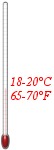
If you have a thermometer, use it to check the temperature. It should be between 18–20°C (65–70°F). If you do not have a thermometer, use your hand — it should feel neither hot nor cold, somewhere in between. If in doubt, err on the slightly cool side.
Add the Yeast
Once your wort is around the right temperature, open the yeast sachet and sprinkle the yeast on top. If you have time, wait about 15 minutes and then stir. Otherwise, just stir straight away.
Fermentation
Cover your fermenter with a cloth, a loose-fitting lid, or an airlock (bubbler) and leave it for 5 to 7 days. The higher the temperature, the shorter the time; the lower the temperature, the longer it takes. Try to keep it between 18–20°C (65–70°F).
Bottling or Barrelling
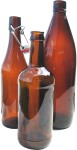
After the primary fermentation is complete (after the 5 to 7 days), sterilise your syphon tube, spoon, and barrel or bottles, depending on what you intend to use.
If you want to use bottles, make sure they can take the pressure. Glass bottles that have already had beer in them are perfect. There are three main types of bottles:
- Crown cap (crown cork) bottles
- Grolsch or swing-top bottles
- Cider bottles
Syphon the beer into the barrel or bottles, being careful not to disturb the sediment as you do it. Add half a teaspoon of light spraymalt or sugar per pint. If using a barrel, stir until dissolved; if using bottles, give them a swirl.
At this point you can use finings to speed up the clearing process, but you do not have to — the beer will clear on its own with time.
Conditioning and Enjoying
Screw on the barrel cap or seal your bottles. For crown cap bottles, you will need a crown capper.
Before you start cracking them open, you will need to let them mature. The general rule is “the longer the better.” Your beer should taste fine after about two weeks, but if you wait a month you will be the better for it.
To start with, put your beer in a warmish environment for about two days. After that, the ideal storage conditions are somewhere cool, dry, and dark — try to get as close to this as you can.
Now there are only two things left to do: drink and enjoy. Good luck and happy brewing!